
The Future of Automotive Software Model-Based Development and Virtual Testing
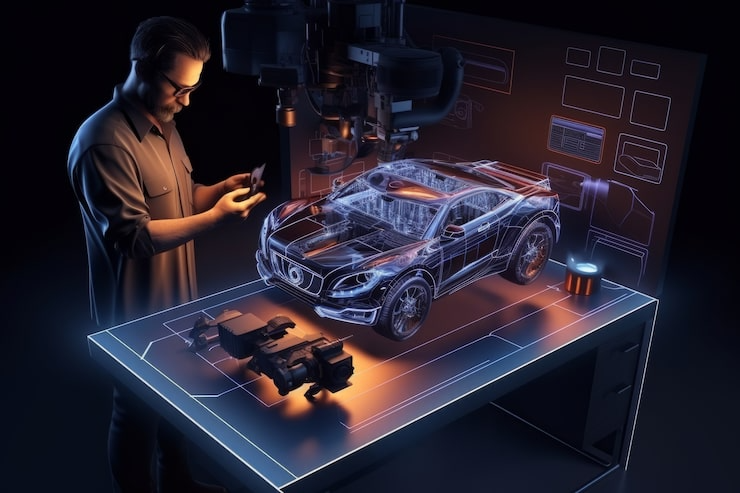
The automotive industry is rapidly evolving, driven by advancements in software, electronics, and automation. Modern vehicles are no longer just mechanical machines; they are complex systems where software plays a critical role in enhancing safety, efficiency, and user experience. From advanced driver-assistance systems (ADAS) to fully autonomous vehicles, the demand for sophisticated automotive software is higher than ever.
One of the most significant trends is the integration of model-based development and virtual testing. These approaches allow engineers to design, test, and validate software components in a simulated environment before deploying them in real vehicles. This not only reduces development time but also improves reliability and reduces errors in production. Continuous integration and continuous validation (CI/CV) pipelines are becoming standard practice, enabling seamless testing of vehicle control modules, communication networks, and embedded systems.
Electric vehicles (EVs) and connected vehicles add another layer of complexity. Battery management systems, powertrain controllers, and telematics rely heavily on robust software to optimize performance, monitor health, and provide real-time data to drivers and manufacturers. Cloud connectivity and IoT integration allow for over-the-air updates, predictive maintenance, and enhanced cybersecurity measures, ensuring vehicles remain up-to-date and secure.
The future of automotive software is also shaped by collaboration between software engineers, data scientists, and system integrators. By leveraging simulation tools, automated testing, and AI-driven analytics, companies can accelerate innovation while maintaining high standards of safety and quality. Moreover, virtual ECU setups and co-simulation environments are enabling engineers to experiment with new features and architectures without risking real-world testing.
As the industry moves toward fully autonomous and highly connected vehicles, the role of software will continue to grow. Engineers will need to adopt advanced development methodologies, embrace virtualization, and ensure continuous testing and validation. The focus on quality, safety, and efficiency will drive innovation, paving the way for smarter, safer, and more reliable vehicles in the years to come.