
Virtual Testing for Vehicle Components
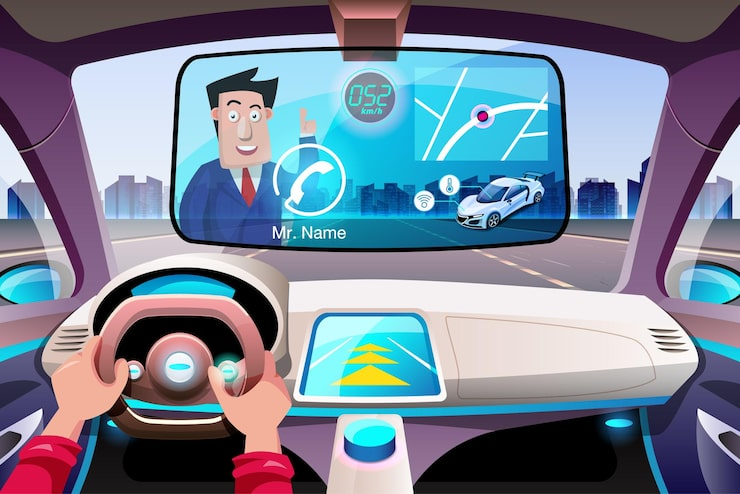
Virtual testing has become a cornerstone in modern automotive engineering, allowing engineers to validate software and hardware components without the need for physical prototypes. By simulating Electronic Control Units (ECUs) and entire vehicle networks in a virtual environment, development teams can detect issues earlier, reduce costs, and accelerate time-to-market.
Using techniques like Hardware-in-the-Loop (HIL), Software-in-the-Loop (SIL), and Continuous Integration/Continuous Validation (CI/CV), automotive teams can replicate real-world driving conditions, monitor communication across CAN and LIN networks, and ensure compliance with safety and performance standards. Virtual testing also enables integration testing for complex zonal architectures and autonomous vehicle software, making it possible to validate features like braking, steering, and powertrain controls in a risk-free environment.
By leveraging advanced tools such as Dspace VEOS, SystemDesk, and ControlDesk, engineers can automate testing, generate reports programmatically, and collaborate more efficiently across teams. This approach not only improves software quality but also enhances the overall safety and reliability of modern vehicles.
As automotive technology continues to evolve toward electrification and autonomous systems, virtual testing is an essential practice to maintain competitive advantage and deliver high-quality, reliable vehicles to market.